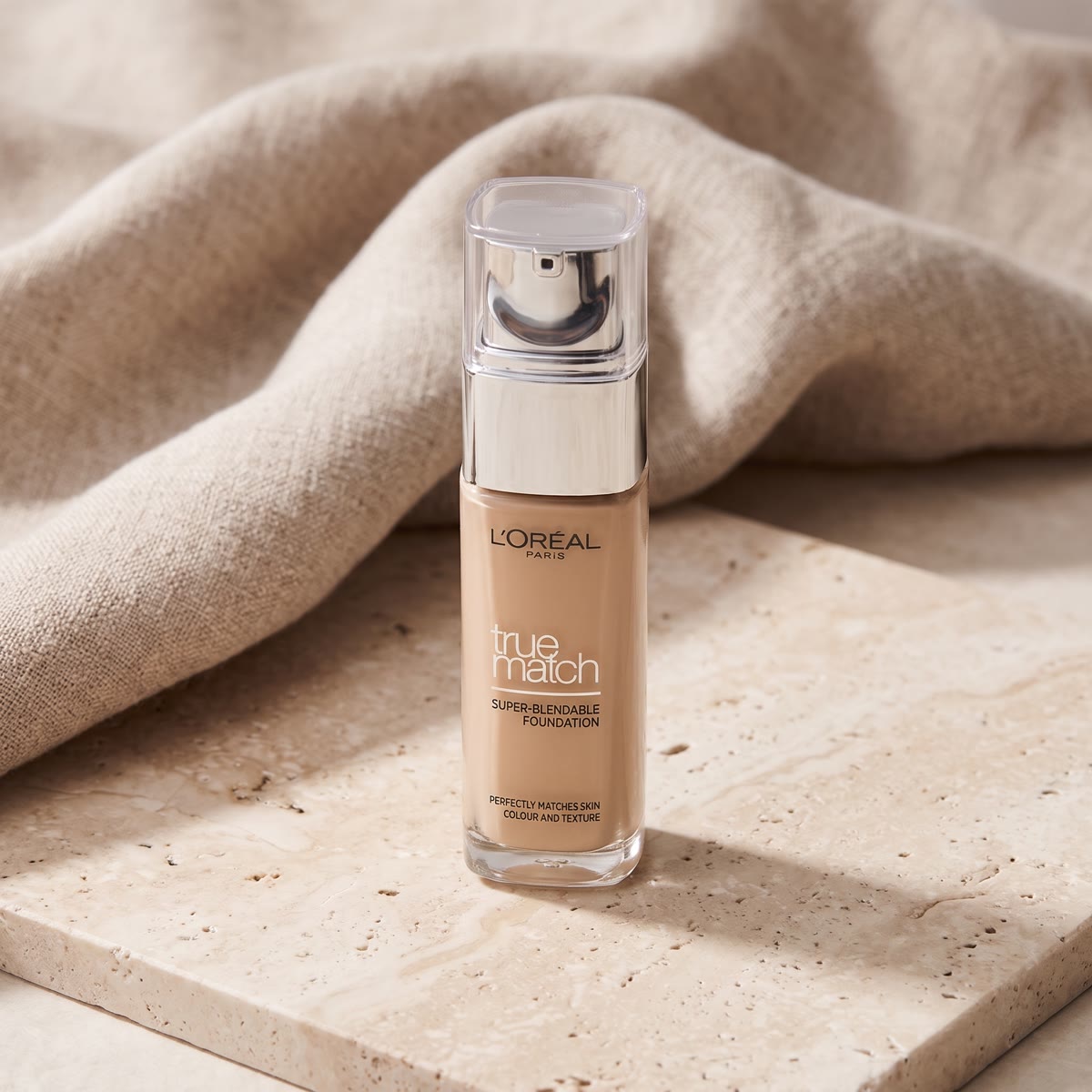

Color-Changing Foundations: The Science Behind the Magic (and Its Limits)
Download PDFThere are beauty products that rely on clever marketing, and then there are formulas built on genuinely fascinating cosmetic chemistry. Color-changing foundations, those mysterious creams that come out of the bottle pure white, belong to the second group.
They aren't magic: they're built on tiny encapsulated pigments. As you blend the formula into your skin, those capsules break open and release their color. Most of these formulas are sheer, so your natural skin tone shows through the veil and your eye reads the mix as a match. That's the clever part, and it's also the limit.
If you're ready to understand how these formulas really work on your skin and why they don't work for everyone, this is the ultimate guide to mastering them.
1. The Science of the Process: Encapsulated Pigments
The most common question is how a white cream turns into a skin tint.
- The mechanism: The formula holds microscopic pigment capsules suspended in a white base. As you massage it into your skin, friction ruptures the capsules and the pigment blends into the emulsion.
- The sheer veil: Because the formula is sheer, your skin shows through. Your eye perceives the blend as a custom match, which explains why these foundations are so popular.
2. The Core Limit: One Bottle, Many Skin Tones
The pigment mix is identical in every bottle, but skin is wonderfully diverse.
- The depth factor: The closer your skin depth sits to the formula's pigment mix, the better it blends.
- Who it suits best: These foundations shine on light to medium skin. On very fair skin, the released pigment can sit warmer and deeper than your own tone and leave an orange cast. On deep skin, a light sheer base can look gray or ashy. One formula simply can't cover every depth and undertone.
3. Understanding Depth vs. Undertone
When foundation goes wrong, turning too orange or too gray, the problem is often not how light or deep the shade is but a mismatch with your undertone.
- Depth: How light or deep your skin is.
- Undertone: The color beneath the surface. The four main undertones are cool (pink or rosy), warm (golden or peachy), neutral (balanced) and olive (a soft green cast).
- The rule: Once you know your true undertone, shade codes finally make sense. In a code like N3, the letter is the undertone and the number is the depth.
4. Does Foundation Really Oxidize?
When a foundation "changes color" during the day, it usually isn't true oxidation from air exposure alone.
- The real cause: The shift usually comes from your skin's natural oils mixing with the pigment, plus the dry-down as water evaporates from the formula.
- How to control it: Let your skincare settle completely before applying. Go lighter on rich moisturizers, use a mattifying primer on oily zones and set with translucent powder. If it still darkens, choose half a shade lighter.
Conclusion: The Real Test
Read the label, yes, but don't stop there. Labels and shade codes get you close; your own skin gives the final answer.
Apply a test swatch to your jawline, step into natural daylight and wait one hour. That's the real test to find your true match.